

Have you ever watched a child struggle to button their coat, hold a pencil, or zip up their backpack?
While these everyday tasks may seem simple to adults, they require a set of important abilities known as fine motor skills.
Fine motor skills are the small movements we make using the muscles in our hands, fingers, and wrists. These skills help children complete everyday activities independently and play a critical role in learning, self-care, and confidence.
What Are Fine Motor Skills?
Fine motor skills involve the coordination of small muscles, particularly in the hands and fingers, working together with the eyes to complete tasks.
Some examples of fine motor skills include:
Holding a pencil or crayon
Using scissors
Buttoning clothing
Zipping jackets
Turning pages in a book
Building with blocks
Stringing beads
Tying shoes
Opening containers
Picking up small objects
Children begin developing these skills from infancy and continue refining them throughout childhood.
Why Are Fine Motor Skills Important?
Fine motor skills impact much more than handwriting.
They help children gain independence, participate in classroom activities, complete daily tasks, and build confidence in their abilities.
When children have strong fine motor skills, they are better able to:
1. Succeed in School
Many classroom activities require fine motor control.
Writing letters, coloring within lines, cutting with scissors, and manipulating small learning tools all depend on strong hand and finger muscles.
Children who struggle with fine motor skills may become frustrated with school tasks, even when they understand the material being taught.
2. Build Independence
Every parent looks forward to the day their child can dress themselves, brush their teeth, or pack their own backpack.
Fine motor skills make these milestones possible.
The stronger a child’s fine motor abilities become, the more independent they can be in their daily routines.
3. Develop Confidence
Children naturally feel proud when they can accomplish tasks on their own.
Successfully buttoning a shirt, completing a craft project, or writing their name helps build confidence and encourages them to keep trying new things.
4. Support Cognitive Development
Fine motor activities often involve planning, problem-solving, concentration, and coordination.
When children engage in hands-on play, they’re not only strengthening their fingers—they’re strengthening their brains as well.
Signs Your Child May Need More Fine Motor Practice
Every child develops at their own pace, but some signs that a child may benefit from additional fine motor activities include:
Difficulty holding crayons or pencils
Avoiding coloring or writing activities
Trouble using scissors
Difficulty manipulating small objects
Frustration with buttons, zippers, or snaps
Hand fatigue during drawing or writing tasks
If you have concerns about your child’s development, consider speaking with your pediatrician or an occupational therapist for guidance.
Easy Ways to Build Fine Motor Skills at Home
The good news is that children can strengthen fine motor skills through play.
Some simple activities include:
Play Dough
Rolling, squeezing, pinching, and shaping play dough helps strengthen hand muscles.
Coloring and Drawing
Encourage children to color, trace, and create their own artwork.
Crafts
Cutting, gluing, folding paper, and creating simple projects all provide valuable practice.
Building Activities
Blocks, puzzles, and construction toys require coordination and precision.
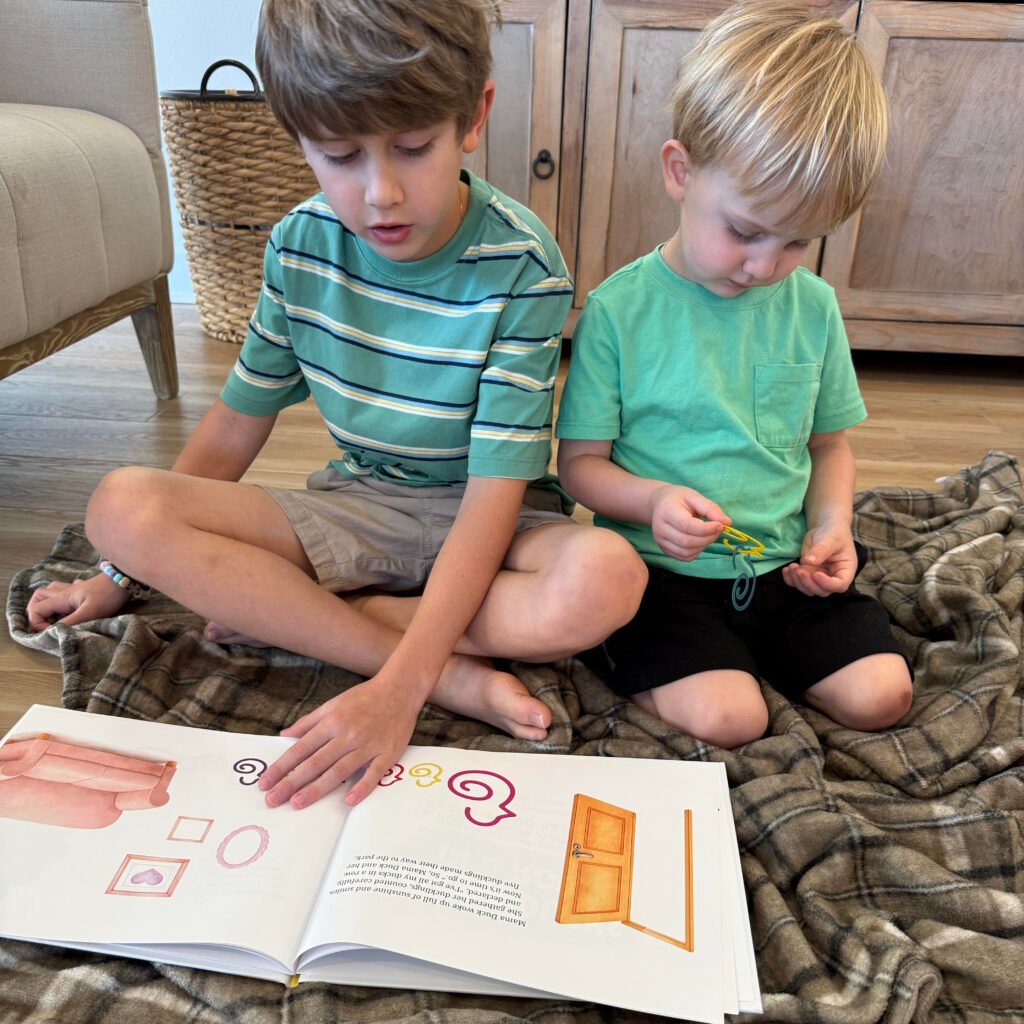
Reading with Manipulatives
Pairing books with hands-on objects can help children stay engaged while developing fine motor skills.
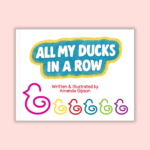
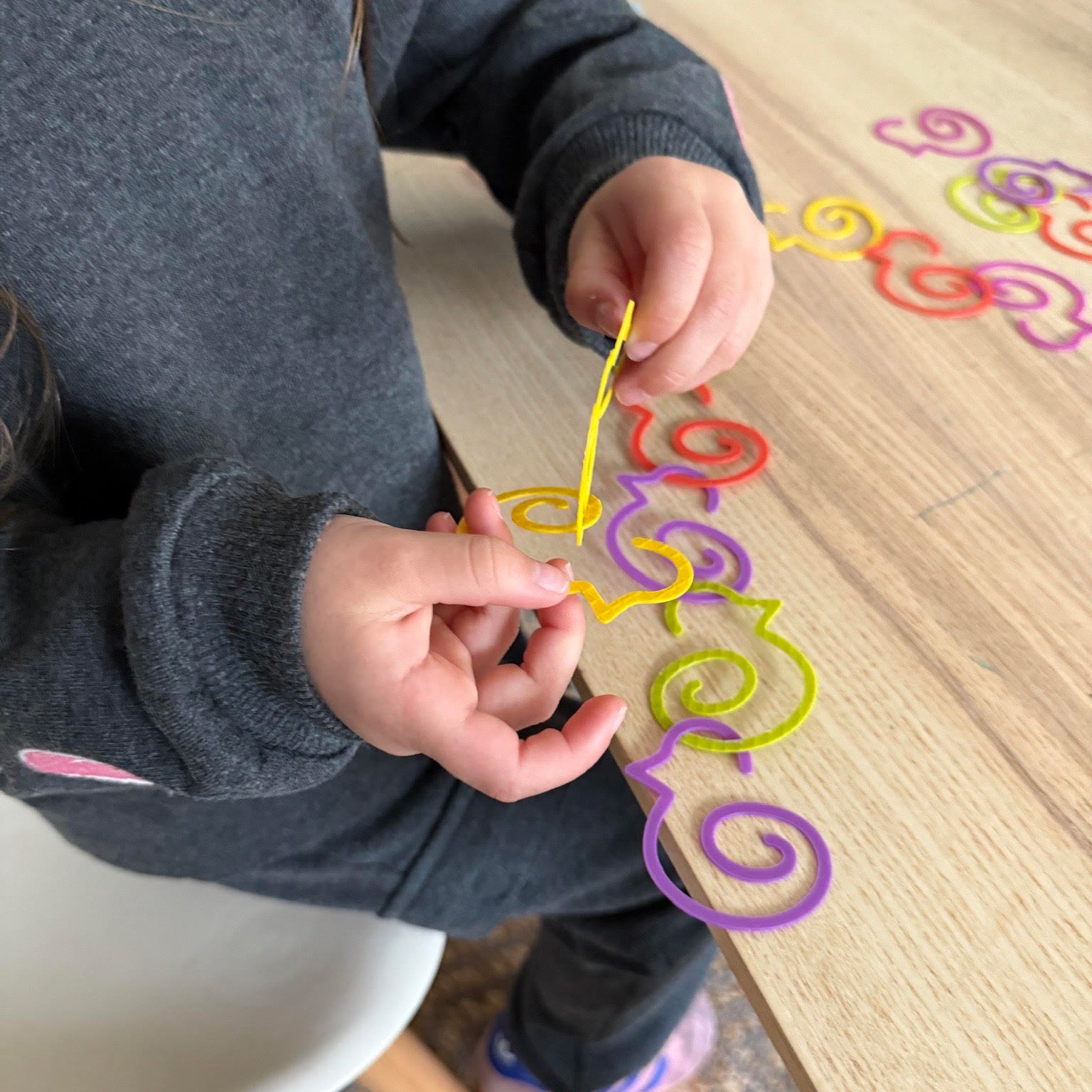
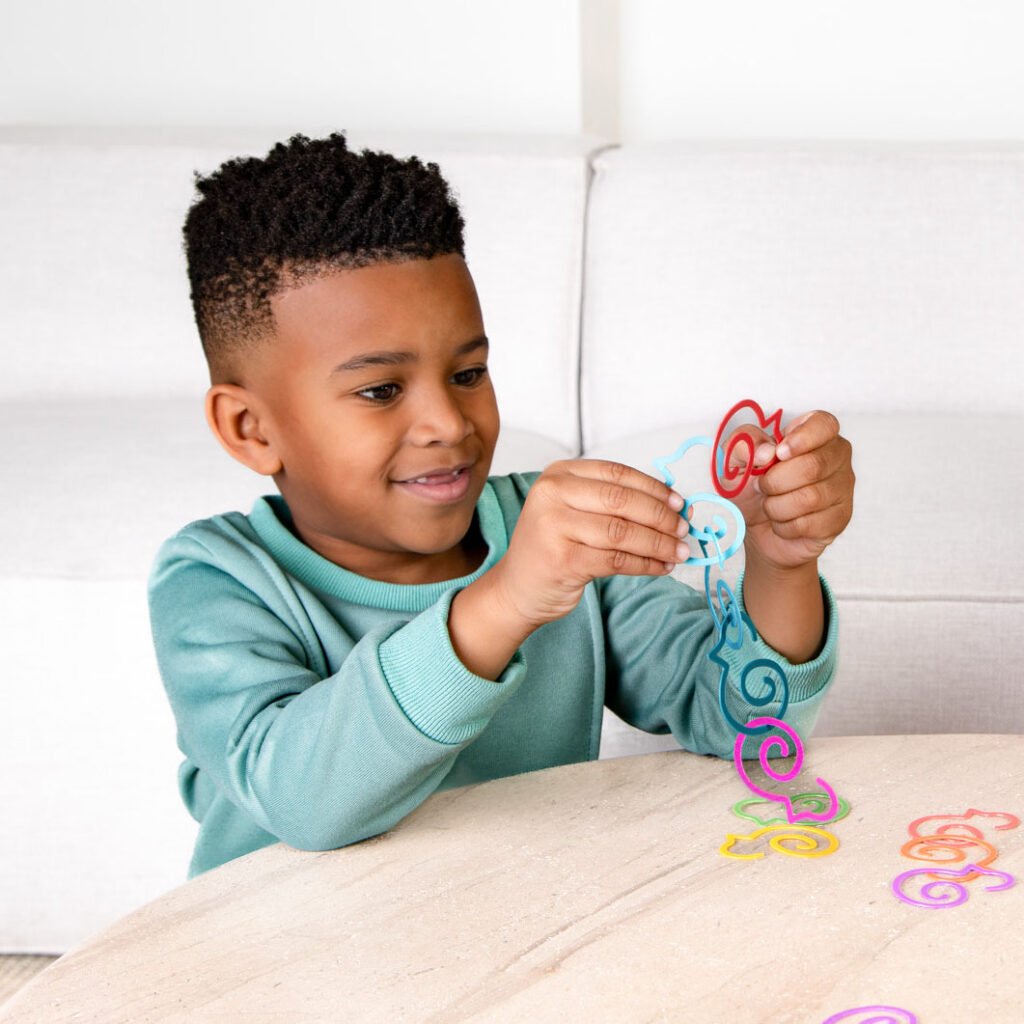
For example, children can hold, move, sort, and connect Duck-links while listening to stories or acting out scenes from a favorite book.
Linking and Connecting Toys
Activities that require children to snap, connect, twist, or link pieces together help strengthen the small muscles needed for future writing and self-care tasks.
Learning Through Play
One of the most effective ways to develop fine motor skills is through meaningful play.
Children learn best when they’re having fun, exploring, creating, and interacting with the world around them.
The goal isn’t to make every activity feel like a lesson. Instead, it’s to provide opportunities for children to use their hands, solve problems, and build confidence through play.
Small Skills, Big Impact
Fine motor skills may seem small, but they have a big impact on a child’s daily life.
From tying shoes and writing names to completing schoolwork and gaining independence, these skills support success both inside and outside the classroom.
The best part?
Many of the activities that strengthen fine motor skills are the same activities children already love.
So the next time your child is building, coloring, crafting, reading, or playing, remember that those little hands are doing important work—and developing skills that will serve them for years to come.