

How to Use Screen-Free Games and Books for Learning in the Classroom and Homeschool
A new school year brings new routines, new classrooms, new friends—and lots of opportunities for children to learn through play.
Whether you’re a preschool teacher preparing your classroom, a homeschool mom planning your lessons, or a parent looking for educational activities at home, hands-on learning can make a tremendous difference.
Children don’t always need a worksheet, an app, or a screen to learn. Sometimes, the best learning happens when their hands are busy, their imaginations are engaged, and they’re having fun.
That’s one of the reasons we created Giplings.
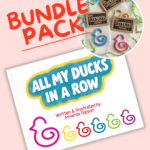
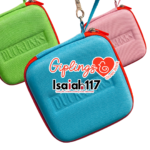
Our Duck-links, Duck-links Anywhere Game Set, and All My Ducks in a Row book were designed to encourage children to learn, create, connect, and play in ways that feel natural—not like another assignment.
Here are some of the ways Giplings products can fit into classrooms, preschools, homeschool environments, and learning at home.
Learning Through Play
Play isn’t just something children do when they’re finished learning.
Play is a powerful way children learn.
Hands-on activities give children opportunities to experiment, make decisions, solve problems, practice skills, and discover what happens when they try something new.
The beauty of open-ended play is that there isn’t always one “right” way to use a toy.
A child might use Duck-links to follow our racing game challenge one day and create an entirely new game the next.
That flexibility is intentional.
Fine Motor Skill Development
Fine motor skills involve the small muscles of the hands and fingers that children use for everyday tasks such as writing, buttoning clothing, using scissors, and manipulating small objects.
Duck-links provide children with an opportunity to practice grasping, connecting, pulling apart, manipulating, and arranging pieces.
The Duck-links Anywhere Game Set adds another layer by combining hands-on manipulation with color recognition, sequencing, matching, and following directions.
These activities can make fine motor practice feel more like play than practice.
Ideas for the classroom or homeschool:
Create color patterns
Sort Duck-links by color
Build chains
Follow a sequence
Challenge a friend to a race
Make up a new game
The same materials can be adapted for different ages and skill levels.
Color Recognition and Sequencing
The colorful Duck-links can also be incorporated into early learning activities.
Teachers and parents can use them to practice:
Color identification
Matching
Sorting
Sequencing
Patterns
Counting
For younger children, simply finding and matching colors can become a fun learning activity.
For older preschoolers, you can introduce more complex patterns or sequences.
And because the child is physically moving and manipulating the pieces, the activity engages more than just their eyes.
Following Directions and Problem-Solving
Learning to listen to directions, remember steps, and figure out how to complete a challenge are important skills for young learners.
The Duck-links Anywhere Game Set provides opportunities for children to follow simple instructions while working toward a goal.
For example, a teacher might give a child a sequence to recreate:
Red → yellow → green → purple
Can they build it correctly?
Then make it more challenging.
Can they remember the sequence without looking?
Can they create their own sequence for a friend to solve?
A simple game can quickly become a lesson in memory, attention, sequencing, and problem-solving.
Encouraging Creativity Through Open-Ended Play
One of our favorite things about Duck-links is that children don’t have to play with them one specific way.
They can build.
They can sort.
They can create patterns.
They can invent games.
They can make up stories.
They can play independently or with a friend.
This is what we mean when we talk about open-ended play.
There isn’t necessarily one finished product or one correct answer.
Children get to decide what happens next.
Building Social Skills Through Cooperative Play
Learning doesn’t happen in isolation.
Classrooms and homeschool environments provide children with opportunities to practice communication, cooperation, patience, and taking turns.
The Duck-links Anywhere Game Set can be used as an individual activity or as a two-player game.
Children can:
Take turns
Follow rules
Practice patience
Encourage one another
Celebrate a friend’s success
Learn how to handle winning and losing
These social-emotional skills are just as important as academic skills.
A Screen-Free Option for Classroom Centers
Teachers are constantly looking for activities that are engaging, educational, and easy to incorporate into their classrooms.
Duck-links can be used as a screen-free learning center during free choice, small-group activities, early finishers, or quiet time.
A teacher could create a simple activity card such as:
Can you build this pattern?
Or:
How many Duck-links can you connect in one minute?
Or:
Create a pattern for your partner to copy.
One set can support multiple activities without requiring a new worksheet every time.
Homeschooling With Duck-links
For homeschool families, one of the biggest advantages of hands-on resources is their flexibility.
You don’t necessarily need to create an entire lesson around them.
Duck-links can simply become part of your learning environment.
Use them during:
Morning learning time
Math practice
Fine motor activities
Independent play
Sibling activities
Unit studies
Learning breaks
Quiet time
They can also be a great way to give children a break from pencil-and-paper work while still engaging their minds and hands.
Preschool Learning Doesn’t Have to Look Like School
For preschoolers especially, learning doesn’t need to mean sitting at a desk for long periods of time.
Young children learn through movement, exploration, repetition, conversation, and play.
That’s why hands-on activities can be such a natural fit for preschool classrooms and homes.
Instead of asking a child to complete another worksheet about colors, you can let them sort colorful Duck-links.
Instead of simply talking about patterns, you can let them build one.
Instead of telling them to practice fine motor skills, you can give them something fun to manipulate.
The learning is happening—but it feels like play.
Don’t Forget the Power of a Good Book
Learning isn’t only about numbers, letters, colors, and skills.
Children are also learning how to understand emotions, navigate change, develop empathy, and make sense of the world around them.
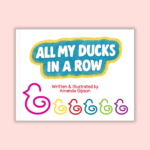
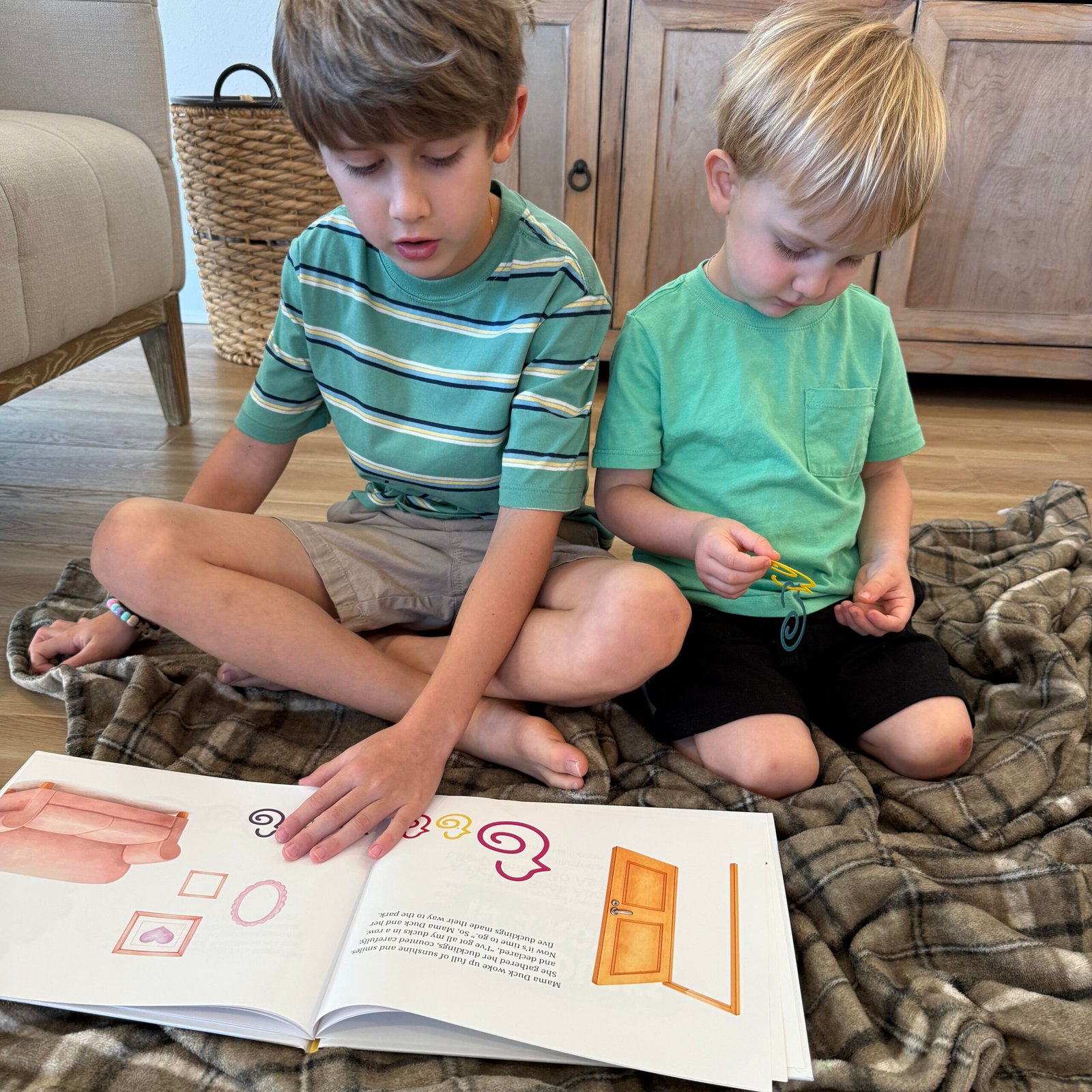
That’s where All My Ducks in a Row comes in.
Our children’s picture book was created around a simple but important reminder:
Life doesn’t always go as planned—and that’s okay.
The story gives parents, teachers, and caregivers an opportunity to talk with children about flexibility, emotions, expectations, and what happens when things don’t go the way we imagined.
It can be used as:
A classroom read-aloud
A homeschool reading activity
A preschool story
A social-emotional learning conversation
A family bedtime story
A starting point for discussions about feelings and resilience
After reading, you might ask:
“Have you ever had a day when things didn’t go the way you planned?”
“How did you feel?”
“What helped you feel better?”
“What could you do when your plans change?”
A simple story can open the door to meaningful conversations.
One Product, So Many Possibilities
That’s really what Giplings is all about.
We don’t want children to simply follow instructions and put a toy away when they’re finished.
We want to give them tools that encourage them to think, create, connect, and discover.
Duck-links can become a fine motor activity.
The Duck-links Anywhere Game Set can become a classroom center.
All My Ducks in a Row can become a conversation about emotions and resilience.
And together, they can become part of a learning environment where children are encouraged to explore through play.
Making This School Year More Hands-On
Whether you’re setting up a preschool classroom, beginning another year of homeschooling, or simply looking for ways to make learning at home more engaging, remember that learning doesn’t always have to look like traditional school.
Sometimes it looks like colorful pieces scattered across the table.
Sometimes it looks like a child inventing a game you never thought of.
Sometimes it looks like reading a story and having a conversation that goes somewhere completely unexpected.
Those moments matter.
At Giplings, we believe children learn best when they have opportunities to play, create, connect, and discover.
And sometimes, the best classroom doesn’t look like a classroom at all.